01
Understand veterinary estimates
Explore what may be inside a veterinary estimate: exams, diagnostics, treatment, medication, monitoring, follow-up care, and breed/body-type context.
Estimate HelperVetClever helps pet owners turn worry into a plan: clearer veterinary estimate questions, useful notes, and calmer conversations with the people who care for your pet.
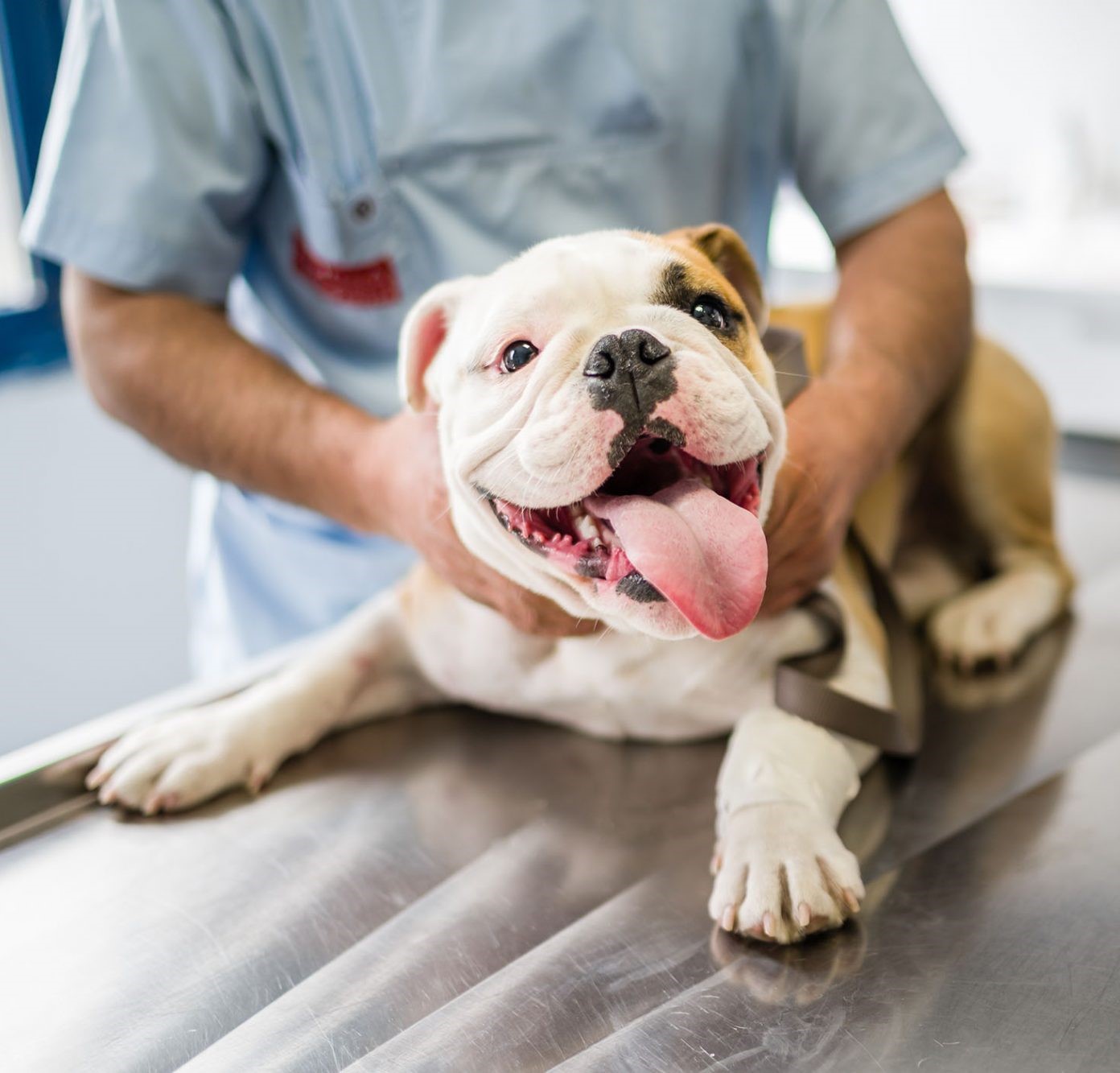


What VetClever is for
Veterinary care can become stressful quickly. VetClever helps owners arrive better prepared, with clearer questions and a better sense of what may be inside an estimate.
Explore what may be inside a veterinary estimate: exams, diagnostics, treatment, medication, monitoring, follow-up care, and breed/body-type context.
Estimate HelperGather symptoms, timelines, pet history, photos, and questions before the visit becomes rushed.
Start visit checklistThink through options in plain language while still relying on licensed veterinary professionals for medical advice.
Useful starting points
The goal is not to replace the clinic. It is to make the owner side of the conversation clearer before emotion, urgency, and estimate decisions collide.
Use species, breed or body type, concern, visit context, and likely care path to understand what may be driving a veterinary estimate.
Open the Vet Estimate Helper →A practical checklist for symptoms, timelines, photos, medication details, estimate questions, and follow-up decisions.
Open the vet question checklist →Useful, cautious, practical
Pet owners do not need another wall of medical advice. They need a calm place to sort what they noticed, what to ask, and what estimate items might be part of the conversation.